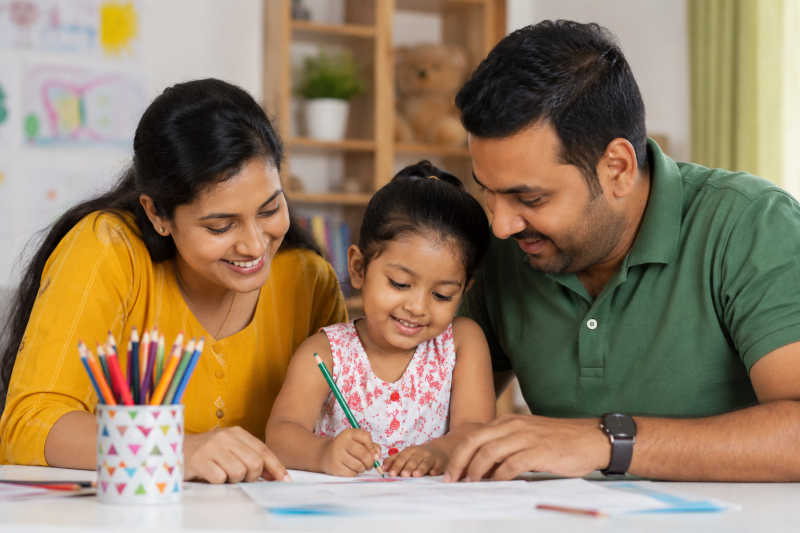
The preschool years, roughly ages three to five, are one of the most important windows for building a lasting bond between parent and child. During this stage, children are developing language, emotional regulation, social skills, and their very first sense of who they are in the world. The relationship they build with their parents during this time becomes the foundation for their confidence, security, and future relationships. Here's a look at why this bond matters so much, and practical ways to strengthen it every day.
Why the Early Years Matter So Much
Preschoolers are absorbing the world at an astonishing rate. Their brains are forming hundreds of thousands of neural connections each second, shaped heavily by their daily experiences and interactions. A warm, responsive relationship with a parent teaches a child that the world is safe, that their feelings matter, and that they are capable of handling new challenges. This sense of "secure attachment" doesn't just make childhood happier — research consistently links it to better emotional regulation, stronger social skills, and even academic success later on.
At the same time, preschoolers are testing boundaries, asserting independence, and learning to manage big emotions with a still-developing toolkit. This can make the parent-child relationship feel like a rollercoaster of sweetness and tantrums in the same afternoon. Strong relationships aren't built by avoiding this messiness — they're built by how parents respond to it.
- Prioritize One-on-One Time
Preschoolers thrive on individual attention, even in small doses. Ten to fifteen minutes of undistracted, child-led play each day can do more for connection than hours spent in the same room while multitasking. Let your child choose the activity and follow their lead — this signals that their interests and ideas matter to you.
- Get Down to Their Level — Literally
Physically kneeling or sitting so you're eye-to-eye with your child changes the tone of an interaction. It signals attentiveness and respect, and it makes communication — especially during a difficult moment — feel less like a lecture from above and more like a conversation.
- Name and Validate Emotions
Preschoolers often don't have the vocabulary to express what they're feeling, which can come out as tears, whining, or defiance. Helping them name their emotions ("You look really frustrated that we have to leave the park") builds emotional intelligence and shows them their feelings are understood, not dismissed. Validating a feeling doesn't mean giving in to every demand — a parent can acknowledge sadness or anger while still holding a boundary.
- Create Predictable Routines and Rituals
Young children feel safest when they know what to expect. Consistent routines — a bedtime story, a morning greeting ritual, a special Saturday breakfast — become touchpoints of connection that a child can rely on. These small, repeated rituals often become some of the most treasured childhood memories.
- Use Play as Your Main Language
Play is how preschoolers process the world, express feelings, and connect with others. Joining your child in pretend play, building something together, or simply being silly communicates love in a way words often can't at this age. Play also opens a window into what your child is thinking about or working through emotionally.
- Set Limits with Warmth, Not Just Control
Boundaries are essential for a preschooler's sense of safety, but how they're delivered matters. Firm, calm, and consistent limits — paired with warmth and an explanation — help children feel secure rather than controlled. A phrase like "I won't let you hit your sister, and I'm here to help you calm down" combines structure with connection.
- Practice Active, Patient Listening
Even when a preschooler's story is meandering or hard to follow, giving them your full attention teaches them that their voice matters. Resist the urge to finish their sentences or rush them along. This patience in small daily conversations builds the kind of trust that makes children more likely to come to their parents with bigger concerns as they grow.
- Repair After Conflict
No parent is perfectly patient all the time, and preschoolers will test limits often. What matters most isn't avoiding every conflict — it's repairing the relationship afterward. A simple, genuine "I'm sorry I raised my voice, I was frustrated, but I love you" models accountability and reassures a child that the relationship is stable even after a rupture.
- Encourage Independence Within a Safe Structure
Preschoolers are eager to do things "by myself." Allowing age-appropriate independence — choosing their outfit, pouring their own cereal, helping with simple chores — builds confidence and trust between parent and child. It shows the child that their parent believes in their growing capabilities.
- Show Affection Freely and Often
Hugs, physical closeness, words of affirmation, and simple statements like "I love spending time with you" reinforce the emotional bond in ways that are easy to overlook amid the busyness of daily life. For preschoolers, affection isn't a bonus — it's a core need.
Final Thoughts
Building a strong parent-child relationship during the preschool years isn't about perfection — it's about consistent, warm, responsive presence over time. Small daily moments of connection, patience through the inevitable challenges, and genuine repair after conflict do more to shape a secure, trusting bond than any single grand gesture. These early relationship patterns often become the blueprint for how a child relates to others throughout their life, making this stage one of the most meaningful times to invest in connection.
Add comment
Comments