
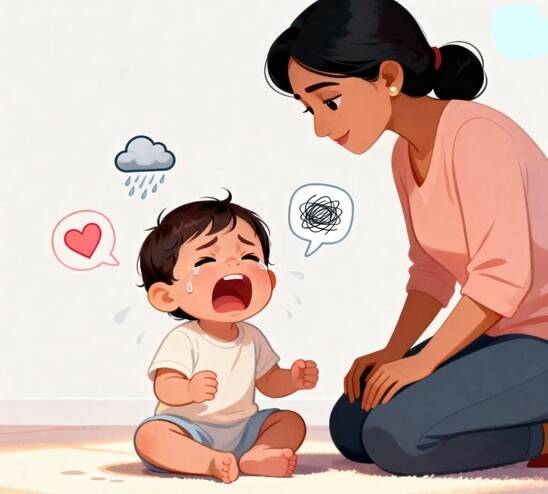
Tantrums are a normal part of early childhood development. Preschoolers are still learning how to express their emotions, communicate their needs, and manage feelings such as frustration, disappointment, anger, or tiredness. While tantrums can be challenging for parents and caregivers, handling them calmly and consistently can help children develop healthy emotional regulation skills.
Why Do Preschoolers Have Tantrums?
Tantrums often occur because young children:
- Have limited language skills to express their feelings.
- Feel frustrated when things do not go their way.
- Are tired, hungry, overstimulated, or uncomfortable.
- Seek attention or independence.
- Struggle with sharing, waiting, or following rules.
Understanding the cause of a tantrum is the first step toward responding effectively.
Stay Calm and Composed
Children often mirror the emotions of adults around them. If a parent or caregiver reacts with anger or frustration, the situation may escalate. Take a deep breath, speak in a calm voice, and remember that your child is having a difficult moment, not trying to cause trouble.
Acknowledge Their Feelings
Let your child know that you understand how they feel. Simple statements such as:
- “I can see that you're upset.”
- “You seem frustrated because you wanted that toy.”
- “It's okay to feel angry.”
Validating emotions helps children feel heard and understood.
Set Clear and Consistent Boundaries
While it is important to acknowledge feelings, it is equally important to maintain limits. For example:
- “I understand you're angry, but hitting is not okay.”
- “You can be upset, but you cannot throw toys.”
Consistent boundaries teach children acceptable ways to express emotions.
Offer Comfort and Support
Some children benefit from a hug, gentle touch, or sitting quietly with a trusted adult. Others may need a little space to calm down. Observe what helps your child feel secure and supported.
Redirect Attention
Young children can often be redirected to another activity or focus. Suggest a favorite book, a drawing activity, a walk outside, or a calming game. Redirection can help shift their attention away from the trigger.
Teach Emotional Skills
Help children learn to identify and express their emotions by introducing simple feeling words such as happy, sad, angry, frustrated, and excited. Reading stories about emotions and discussing feelings during calm moments can build emotional awareness.
Praise Positive Behavior
When your child handles disappointment well or calms down appropriately, offer specific praise:
- “You used your words to tell me how you felt. Great job!”
- “I like how you took deep breaths to calm yourself.”
Positive reinforcement encourages children to repeat good behavior.
Prevent Tantrums When Possible
Many tantrums can be reduced by:
- Maintaining regular meal and sleep schedules.
- Providing clear routines and expectations.
- Offering simple choices to encourage independence.
- Preparing children for transitions and changes in routine.
When the Tantrum Ends
Once your child is calm, briefly discuss what happened and what they can do differently next time. Keep the conversation simple and supportive rather than focusing on punishment.
Conclusion
Tantrums are a natural part of growing up and learning to manage emotions. By staying calm, showing empathy, setting clear boundaries, and teaching healthy coping skills, parents and caregivers can help preschoolers navigate big feelings with confidence. Over time, these supportive responses help children develop self-control, emotional resilience, and positive social skills that will benefit them throughout life.
Add comment
Comments