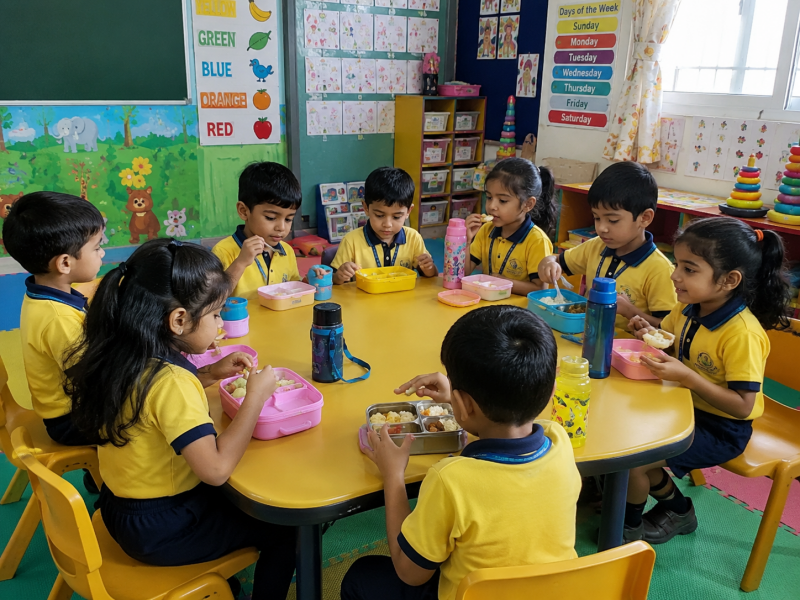
A healthy lunch box plays an important role in a preschooler's growth, development, and learning. Young children need a balanced diet to provide the energy and nutrients required for active play, concentration, and overall well-being. Packing a nutritious lunch doesn't have to be complicated—simple Indian foods can be both healthy and appealing to little ones.
Why a Healthy Lunch Box Matters
Preschool children are constantly growing and developing. A nutritious lunch helps:
- Provide energy for learning and play
- Support healthy brain development
- Strengthen immunity
- Encourage healthy eating habits
- Improve concentration and attention in class
A well-balanced lunch box should include a combination of carbohydrates, proteins, healthy fats, fruits, and vegetables.
Tips for Packing a Preschool Lunch Box
Keep Portions Small
Preschoolers have small appetites. Pack child-sized portions that are easy to eat and manage independently.
Add Variety
Children enjoy colorful and interesting meals. Including different textures, colors, and flavors can make lunch more appealing.
Make Food Easy to Eat
Choose foods that can be eaten without much assistance. Cut fruits and vegetables into bite-sized pieces.
Limit Processed Foods
Avoid excessive sugary snacks, chips, and packaged foods. Fresh and homemade options are usually healthier.
Include Water
Encourage children to stay hydrated by packing a water bottle every day.

Healthy Indian Lunch Box Ideas
- Vegetable Idli with Coconut Chutney
Soft idlis are easy for preschoolers to chew and digest. Adding grated carrots or vegetables increases nutritional value.
Add: Sliced banana or apple pieces.
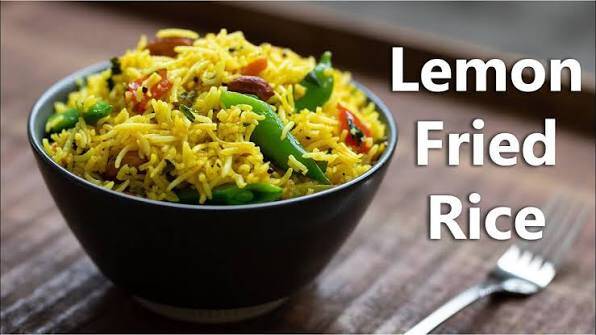
- Lemon Rice with Vegetables
A mild and flavorful rice dish packed with vegetables provides energy and essential nutrients.
Add: Fresh fruit such as grapes or orange segments.

- Vegetable Upma
Upma made with semolina and vegetables is light, healthy, and easy for children to eat.
Add: A small serving of fruit yogurt.
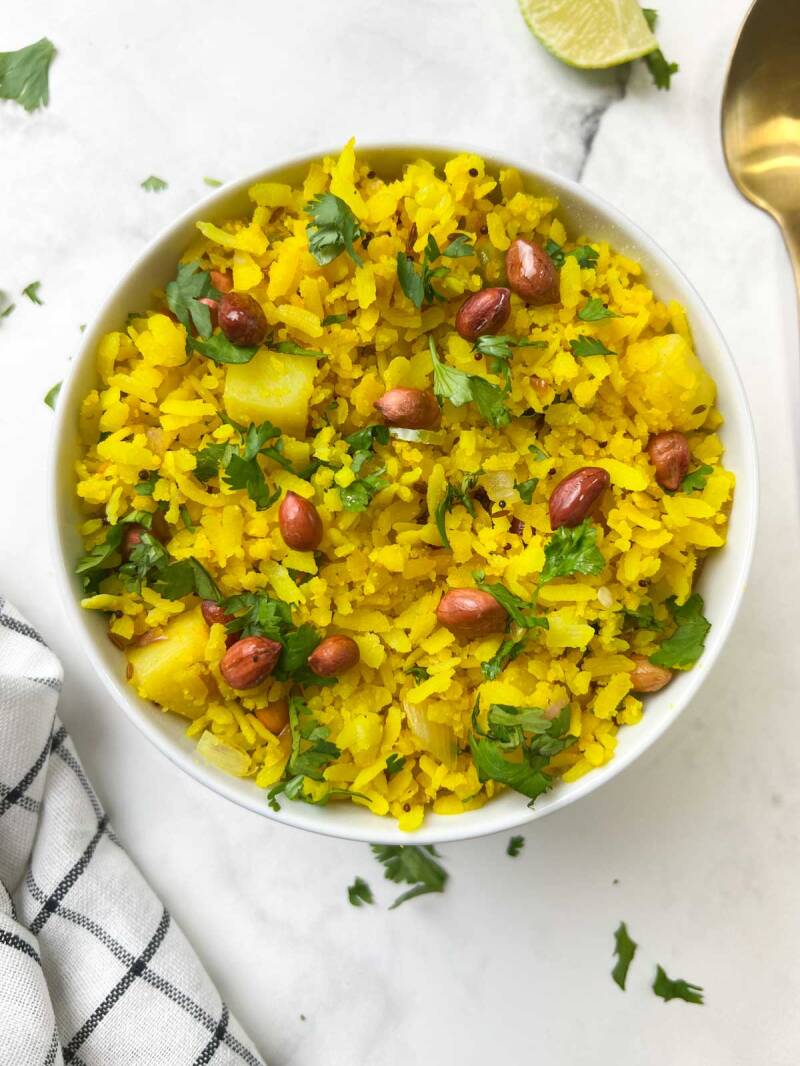
- Poha with Peanuts
Poha is a healthy breakfast and lunch option rich in carbohydrates and iron.
Add: A boiled egg or fruit pieces.
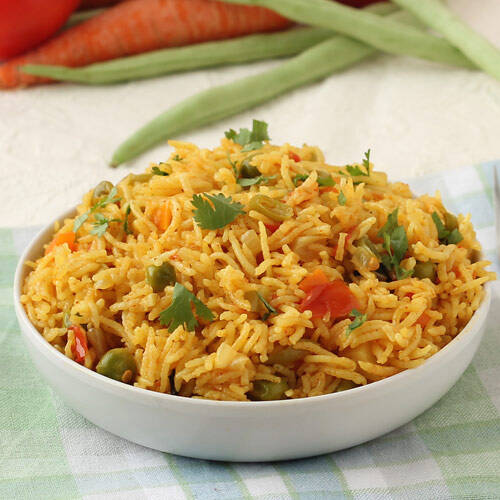
- Vegetable Pulao
A colorful pulao packed with vegetables can be both tasty and filling.
Add: Raita or plain yogurt.

- Mini Vegetable Paratha Rolls
Whole wheat parathas filled with potatoes, paneer, carrots, or mixed vegetables make a nutritious lunch.
Add: Homemade yogurt and cucumber slices.
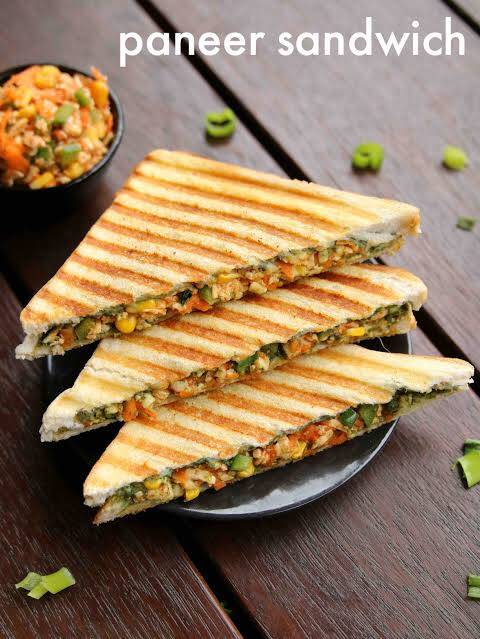
- Paneer Sandwich
Whole wheat bread with paneer and vegetables offers protein and fiber.
Add: Carrot sticks and seasonal fruit.
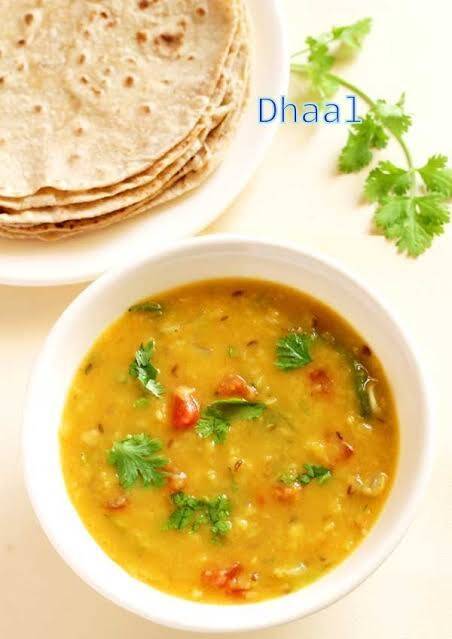
- Chapati with Dal
Soft chapati pieces paired with thick dal provide a nutritious combination of carbohydrates and protein.
Add: Sliced cucumber and fruit.

- Mini Dosa Rolls
Small dosa rolls filled with mashed potatoes or paneer are fun and nutritious.
Add: Coconut chutney and fruit slices.

- Besan Chilla
Protein-rich gram flour pancakes with vegetables make an excellent lunch box option.
Add: Mint chutney and fresh fruit.
Healthy Snack Ideas for Lunch Boxes
Along with the main meal, consider adding:
- Apple slices
- Banana pieces
- Grapes
- Watermelon cubes
- Cucumber sticks
- Carrot sticks
- Homemade muffins
- Roasted chana
- Cheese cubes
- Yogurt
Foods to Avoid Regularly
Try to limit:
- Sugary drinks
- Chocolates and candies
- Packaged chips
- Instant noodles
- Excessively fried foods
- Highly processed snacks
These foods may provide temporary energy but often lack important nutrients needed for growth and learning.
Encouraging Healthy Eating Habits
Parents can encourage healthy eating by:
- Involving children in meal preparation - Involving children in meal preparation helps them develop a positive relationship with healthy food. Simple tasks such as washing fruits, arranging snacks, stirring ingredients, or helping pack their lunch box make them feel included and excited about eating what they helped prepare. It also teaches responsibility, builds confidence, and encourages healthy eating habits from an early age.
- Offering a variety of healthy foods - Offering a variety of healthy foods helps preschoolers receive the nutrients they need for healthy growth and development. Introducing different fruits, vegetables, grains, and protein-rich foods exposes children to new tastes, textures, and colors, making mealtimes more enjoyable. A varied diet also encourages balanced eating habits and helps children become more open to trying new foods as they grow.
- Being good role models - Children often learn by observing the adults around them. When parents and caregivers choose healthy foods and maintain positive eating habits, children are more likely to follow their example. Eating nutritious meals together, trying new foods, and showing enthusiasm for healthy choices can encourage preschoolers to develop lifelong healthy eating habits and a positive attitude toward food
- Maintaining regular meal schedules - Maintaining regular meal schedules helps preschoolers develop healthy eating habits and ensures they receive the nutrition they need throughout the day. Consistent meal and snack times help children recognize hunger and fullness cues, support better digestion, and provide steady energy for learning and play. A predictable routine also creates a sense of security and helps reduce picky eating behaviors.
- Making food colorful and attractive - Making food colorful and attractive can encourage preschoolers to eat a wider variety of healthy foods. Bright fruits, colorful vegetables, and creatively arranged meals make lunch boxes more appealing and exciting for young children. Attractive presentations can spark curiosity, increase appetite, and make healthy eating a fun and enjoyable experience.
Remember that children may need multiple exposures to a new food before they accept it. Patience and consistency are key.
Conclusion
A healthy lunch box helps preschoolers stay energetic, focused, and ready to learn throughout the day. Simple Indian meals made with fresh ingredients can provide the perfect balance of nutrition and taste. By planning nutritious and appealing lunch boxes, parents can support their child's growth while encouraging healthy eating habits that can last a lifetime.
Healthy food today helps build healthy habits for tomorrow! 🌟
Add comment
Comments