1. Language and Communication Skills
By preschool age, children begin to express themselves more clearly and confidently. They should be able to:
- Speak in simple sentences - children learn to express their thoughts, needs, and feelings using simple sentences. Through conversations, stories, songs, and classroom activities, they practice speaking clearly and confidently. This helps improve their vocabulary, communication skills, and ability to interact with teachers and friends. Simple sentence speaking is an important step in building strong language and social skills.
- Follow basic instructions - Children learn to listen carefully and follow simple instructions such as "sit down," "line up," or "put your toys away." Through daily routines and activities, they develop listening skills, concentration, and the ability to complete tasks independently. Following instructions helps children become more confident, responsible, and prepared for future learning.
- Ask and answer questions - Children are encouraged to ask questions and respond to simple questions during daily activities, stories, and classroom discussions. This helps develop curiosity, listening skills, critical thinking, and confidence in communication. By learning to ask and answer questions, children build stronger language skills and become active participants in their learning journey.
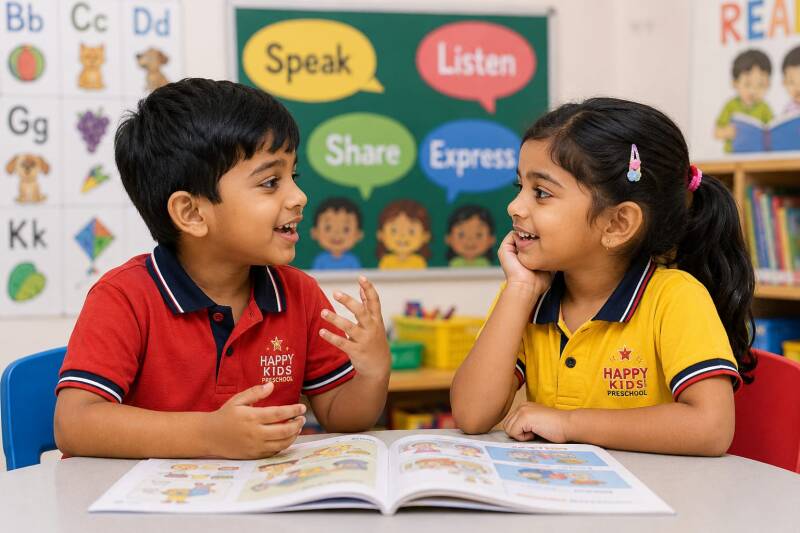
- Recognize and name familiar objects, colors, and shapes - Children learn to identify and name everyday objects, basic colors, and common shapes through hands-on activities, games, stories, and classroom exploration. This helps strengthen their observation skills, vocabulary, and early cognitive development. Recognizing and naming familiar objects, colors, and shapes builds a strong foundation for future learning in language, mathematics, and problem-solving.
- Enjoy listening to stories and songs - Children develop a love for learning by listening to engaging stories and cheerful songs. These activities help improve listening skills, concentration, vocabulary, and imagination while introducing new ideas and concepts. Enjoying stories and songs also encourages language development, creativity, and a positive attitude toward learning.
Parents can encourage language development by reading daily, engaging in conversations, and introducing new vocabulary through play.
2. Social Development
Preschoolers start learning how to interact with others and build friendships. Common social milestones include:
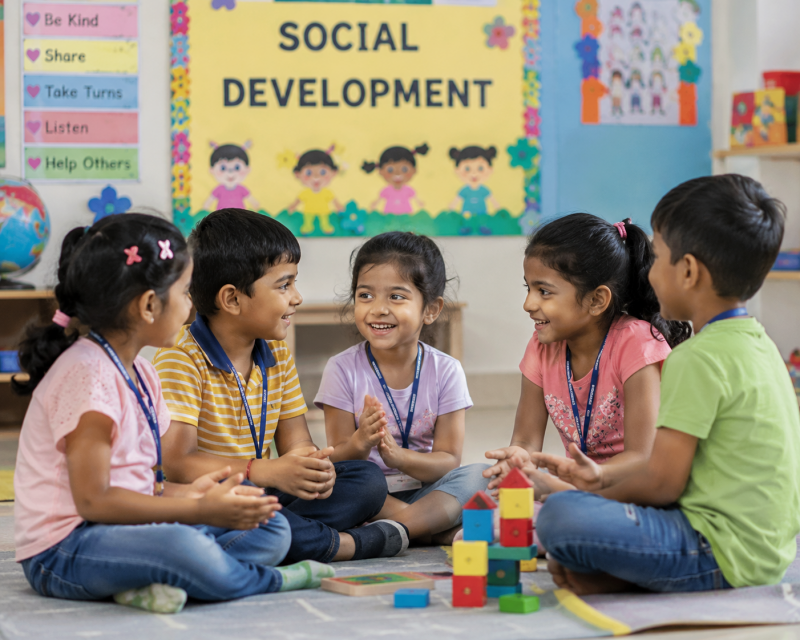
- Playing cooperatively with other children - Preschoolers learn to play together by sharing ideas, working as a team, and enjoying activities with their friends. Cooperative play helps children build friendships, develop communication skills, and learn the importance of taking turns and helping others. Through group games and classroom activities, children learn how to work together in a positive and respectful way.
- Sharing toys and taking turns - Preschoolers learn the importance of sharing toys and waiting for their turn during play and classroom activities. These experiences help children develop patience, kindness, and respect for others while building positive friendships and teamwork skills.
- Showing empathy and concern for others - Preschoolers begin to understand and care about the feelings of others. They learn to be kind, offer help, comfort a friend who is upset, and celebrate others' successes. Developing empathy helps children build strong friendships and create a caring and respectful classroom environment.
- Following simple classroom rules - Preschoolers learn to follow simple classroom rules such as listening to teachers, keeping hands to themselves, cleaning up after activities, and respecting others. Following rules helps children develop self-discipline, responsibility, and positive behavior, creating a safe and happy learning environment for everyone.
- Participating in group activities - Preschoolers enjoy taking part in group activities such as circle time, songs, games, and classroom projects. These experiences help children learn teamwork, communication, and cooperation while building confidence and a sense of belonging within the classroom community.
These skills help children feel confident and prepared for future school experiences.
3. Emotional Growth
Children begin to understand and express their emotions more effectively during the preschool years. They may:
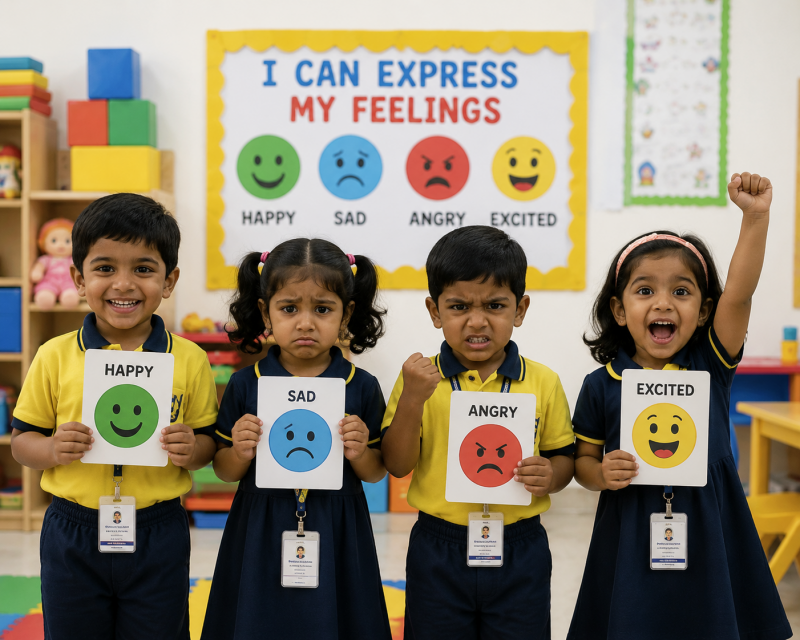
- Identify basic feelings such as happy, sad, angry, or excited - Children learn to recognize and name basic emotions in themselves and others. Through stories, games, and daily interactions, they develop emotional awareness and learn healthy ways to express their feelings.
- Develop self-confidence and independence - Children are encouraged to try new activities, make simple choices, and complete age-appropriate tasks on their own. These experiences help build self-confidence, independence, and a positive attitude toward learning and daily routines.
- Learn simple problem-solving skills - Children learn to think, explore, and find solutions to simple challenges through play, puzzles, and everyday activities. These experiences help develop critical thinking, decision-making, and confidence in handling new situations.
- Adapt to short periods away from parents - Children gradually become comfortable spending time in the classroom without their parents. Through a caring and supportive environment, they build trust, confidence, and independence while enjoying learning and play with their teachers and friends.
Providing a supportive and nurturing environment helps children build emotional resilience.
4. Cognitive Development
- Cognitive Development
Preschoolers are naturally curious and eager to learn. Key cognitive milestones include:
- Recognizing numbers, letters, and patterns - Preschool children begin to identify numbers, letters, and simple patterns through fun activities, songs, games, and hands-on learning. These skills help build early literacy and math foundations, improve memory, and encourage logical thinking and problem-solving
- Sorting objects by color, shape, or size - Preschool children learn to group objects based on their color, shape, or size through hands-on activities and games. This skill helps develop observation, comparison, and problem-solving abilities while building a strong foundation for early math and cognitive development.
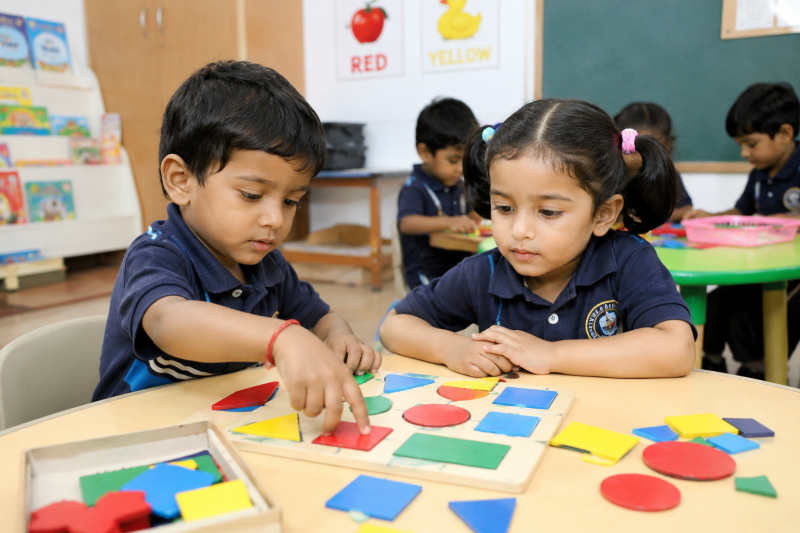
- Solving simple puzzles - Preschool children enjoy solving simple puzzles by matching pieces, identifying shapes, and finding the correct fit. Puzzle activities help develop problem-solving skills, concentration, hand-eye coordination, and critical thinking in a fun and engaging way.
- Asking questions about the world around them - Preschool children are naturally curious and enjoy asking questions about people, places, animals, and everyday events. Encouraging their questions helps develop language skills, critical thinking, curiosity, and a love for learning.
- Demonstrating creativity through imaginative play - Preschool children use their imagination to create stories, role-play different characters, and explore new ideas through play. Imaginative activities help develop creativity, communication skills, problem-solving abilities, and self-expression while making learning fun and engaging.
Hands-on learning experiences help strengthen these important skills.
5. Physical Development
Strong physical skills are essential for healthy growth. Preschool children typically:
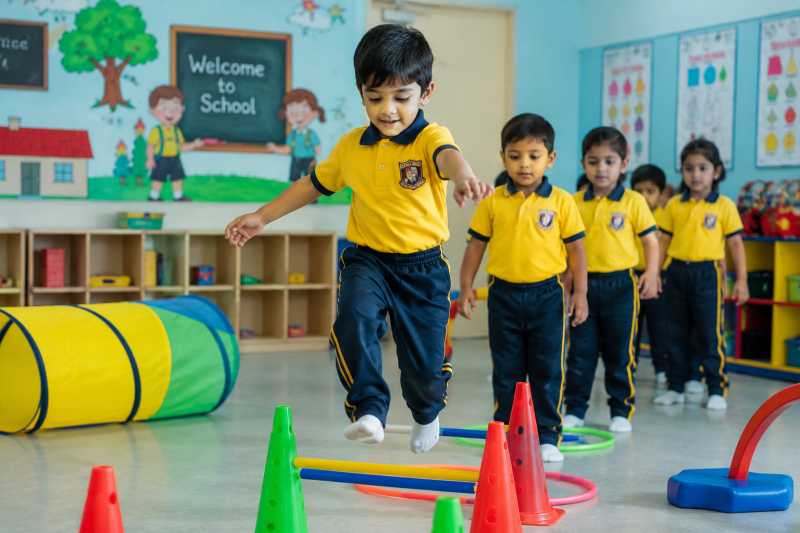
- Run, jump, climb, and balance with greater confidence - Preschool children develop stronger muscles and better coordination through active play. Activities such as running, jumping, climbing, and balancing help improve their strength, agility, and confidence while encouraging a healthy and active lifestyle.
- Use crayons, scissors, and other tools effectively - Preschool children develop fine motor skills by using crayons, scissors, pencils, and other classroom tools. These activities strengthen hand muscles, improve control and coordination, and help prepare children for writing, drawing, and everyday tasks.
- Develop hand-eye coordination - Preschool children improve hand-eye coordination through activities such as drawing, building with blocks, catching balls, and completing puzzles. These experiences help them control their movements, improve concentration, and build skills needed for writing and other daily tasks.
- Learn basic self-care skills such as dressing independently - Preschool children begin to develop independence by learning simple self-care skills such as dressing themselves, buttoning clothes, and putting on shoes. These everyday activities build confidence, responsibility, and important life skills.
Active play and outdoor activities support physical development and overall well-being.
HOW PARENTS CAN HELP
Every child develops at their own pace, but parents can support growth by:
- Providing opportunities for play and exploration - Play and exploration help preschool children learn about the world around them. Through hands-on activities, outdoor play, and creative experiences, children develop curiosity, problem-solving skills, confidence, and a love for learning.
- Reading together every day - Reading with children every day helps build language, listening, and early literacy skills. Storytime also encourages imagination, strengthens the parent-child bond, and fosters a lifelong love of books and learning.
- Encouraging independence - Encouraging independence helps preschool children build confidence and responsibility. By allowing them to make simple choices, complete small tasks on their own, and solve problems independently, children develop important life skills and self-esteem.
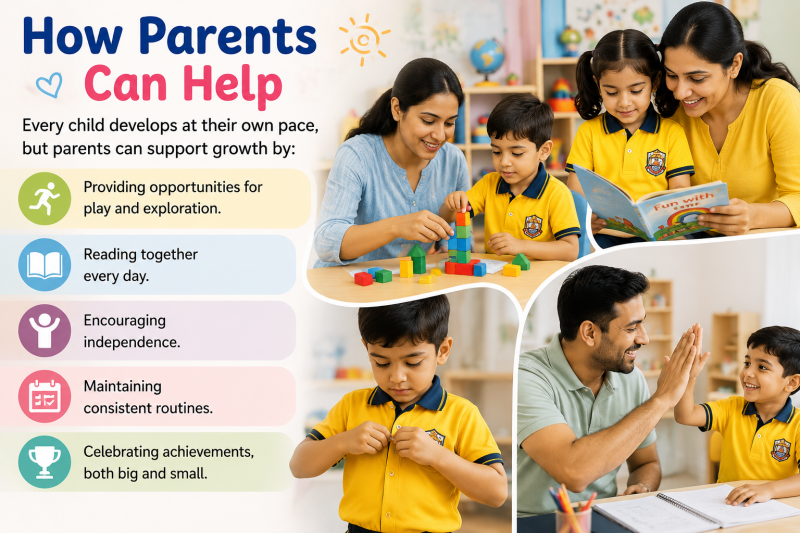
- Maintaining consistent routines - Consistent routines help preschool children feel safe, secure, and confident. Regular schedules for meals, playtime, learning, and bedtime support healthy habits, improve behavior, and make daily transitions easier.
- Celebrating achievements, both big and small - Recognizing and celebrating a child's achievements helps build confidence, motivation, and a positive attitude toward learning. Praising their efforts, progress, and accomplishments encourages preschool children to keep trying new things and believe in their abilities.
At Abu Dhabi Happy Kids Preschool, we create a nurturing environment where children can develop these essential skills through engaging activities, structured learning, and meaningful play experiences.
A strong foundation in the preschool years helps children become confident, capable, and enthusiastic learners for life.
Add comment
Comments